Image: Bob Ronald / Pexels
This article contains affiliate links, marked (Ad). If you sign up or buy through one, we earn a commission. It doesn’t cost you anything extra and doesn’t change what we include. As an Amazon Associate, Drones Unplugged earns from qualifying purchases. How we make money.
Looking for a first under-250 g camera drone and stuck between the Potensic ATOM SE and the DJI Mini 4K? Both fold, both shoot 4K, and both sit in the same UK class band. The differences that matter are the gimbal, the video link and how small they pack.
We’ve compared Potensic’s and DJI’s published specs side by side. This is not a hands-on test.
Last checked: 26 October 2026, against Potensic’s ATOM SE specs page and DJI’s UK Mini 4K / Mini 2 SE shared specs page and Mini 4K user manual.
Quick answer
Buy the Mini 4K if you want a 3-axis gimbal, DJI’s O2 video link and the DJI Fly ecosystem. Buy the ATOM SE if you want a smaller fold, a lower entry price and a simple C0 beginner drone, and you can live with a single-axis camera tilt and Potensic’s PixSync 2.0 link.
Specs side by side
| Potensic ATOM SE | DJI Mini 4K | |
|---|---|---|
| Takeoff weight | under 249 g | 246 g |
| Class (maker) | C0 (EU) | C0 (EU) |
| Folded size | 88 × 143 × 58 mm | 138 × 81 × 58 mm (Mini 2 SE / Mini 4K family figure from DJI’s Mini 2 SE manual) |
| Camera sensor | 1/3-inch CMOS, 12 MP | 1/2.3-inch CMOS, 12 MP |
| Gimbal | single-axis tilt (-90° to +20°) | 3-axis stabilised |
| 4K video | up to 30fps | up to 30fps |
| Max flight time | 31 min (Potensic test) | 31 min (DJI test) |
| Video transmission | PixSync 2.0, up to 4 km (maker) | DJI O2, up to 6 km CE (DJI UK specs) |
| Controller live view | 720p @ 30fps | HD via O2 (DJI) |
| Downward vision | yes (0.3-5 m hover range) | Downward Vision System (DJI) |
| Omnidirectional sensing | no | no |
All figures are from Potensic’s ATOM SE specs and DJI’s UK Mini 4K materials. Maker flight times are lab figures, so real flights are shorter. Under UK rules you must keep the drone in sight anyway, so the long transmission numbers are not a licence to fly further.
Camera and gimbal
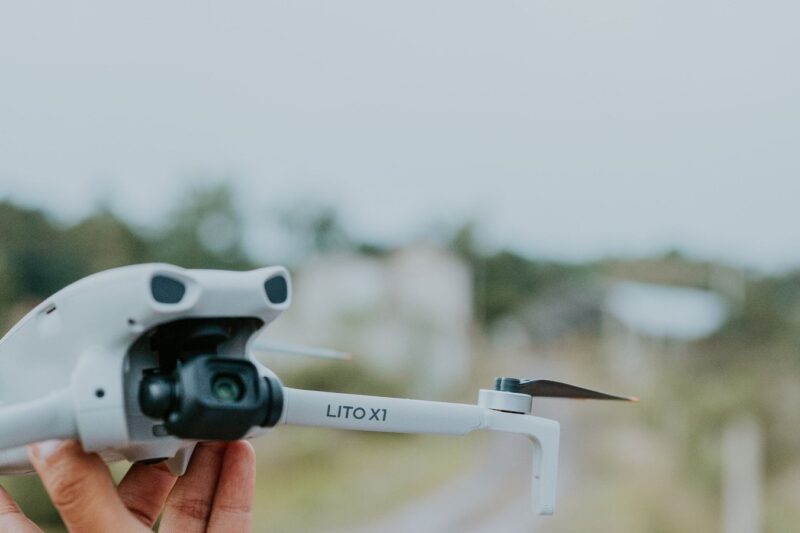
This is the biggest gap. The Mini 4K has a fully stabilised 3-axis gimbal and a slightly larger 1/2.3-inch sensor. The ATOM SE uses a 1/3-inch sensor and a single-axis tilt gimbal (roll and pan are fixed). Both list 4K up to 30fps and 12 MP stills.
If smooth cinematic pans matter, the Mini 4K wins on paper. If you mainly want straightforward holiday clips and can accept more camera shake in wind, the ATOM SE is still a real 4K beginner option.
Verdict: Mini 4K for footage quality. ATOM SE if budget and pack size matter more than gimbal polish.
Size and travel
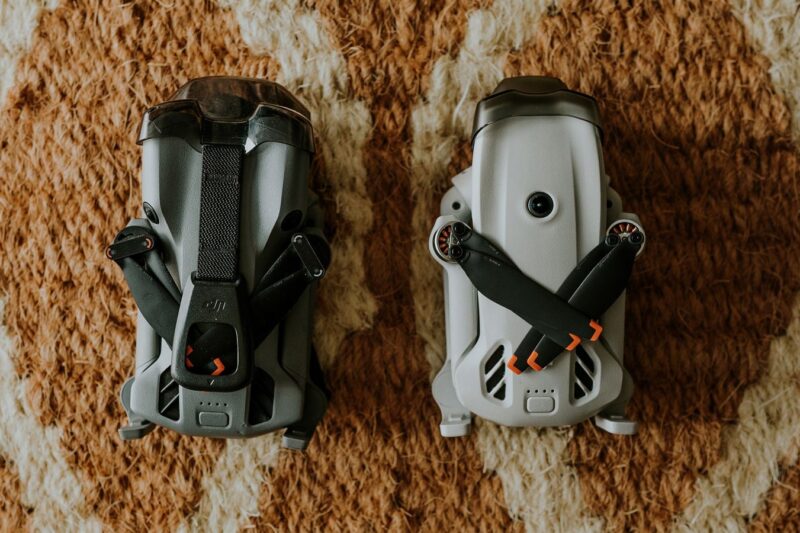
Potensic lists the ATOM SE folded at 88 × 143 × 58 mm, which is tiny. DJI’s Mini 2 SE manual (same family as the Mini 4K) lists folded dimensions of 138 × 81 × 58 mm. Both fit a day bag. The ATOM SE is the smaller brick.
Flight time and link
Both makers quote about 31 minutes in ideal test conditions. Expect less in wind and cold.
The Mini 4K uses DJI O2 with a CE range figure of up to 6 km on DJI’s UK specs page. The ATOM SE uses PixSync 2.0 with a maker max of 4 km and 720p live view. For UK leisure flying the practical limit is visual line of sight, not the marketing range.
App and ecosystem
The Mini 4K runs DJI Fly, with GEO zones, Care options on many DJI drones, and a huge support footprint. The ATOM SE uses PotensicPro. If you already own DJI gear, staying in DJI Fly is simpler. If this is your only drone, either app is fine as long as you update firmware when prompted.
UK rules: the same band
Both are listed as C0 (EU) and under 250 g. The CAA lets you fly a C0 drone as if it were UK0 until 31 December 2027, which means Over People (A1): over uninvolved people, but never over crowds.
Both weigh over 100 g and have a camera, so you need a Flyer ID and the owner needs an Operator ID. See Flyer ID vs Operator ID.
Price and where to buy
We have not typed UK prices here. The Mini 4K is mainly an Amazon buy (it was not sold at DJI Store UK when we last checked the shared Mini 2 SE / Mini 4K page). The ATOM SE is usually cheaper on Amazon than a DJI Mini. Check today’s listing before you decide.
Which should you buy?
Buy the DJI Mini 4K if:
- you want a 3-axis gimbal and smoother video,
- you prefer DJI Fly and O2,
- you are happy paying more for the DJI name and support.
Buy the Potensic ATOM SE if:
- you want the smaller fold and a lower entry price,
- 4K/30 and a simple tilt camera are enough,
- you are fine learning PotensicPro instead of DJI Fly.
For a wider shortlist in the same weight band, see best drone under 250g UK.
Frequently asked questions
Is the Potensic ATOM SE under 250 g?
Potensic lists takeoff weight under 249 g including the original intelligent battery, propellers and a microSD card.
Is the DJI Mini 4K under 250 g?
DJI lists the Mini 4K at 246 g and C0 (EU) on the shared UK Mini 2 SE / Mini 4K specs page.
Which has the better gimbal?
The Mini 4K. It has a 3-axis gimbal. The ATOM SE tilts on one axis only.
Do both need UK registration?
Yes for most buyers. Both are over 100 g with a camera, so Flyer ID and Operator ID apply.
Keep reading
- Potensic ATOM SE help hub
- Potensic ATOM SE not pairing?
- DJI Mini 4K won’t take off?
- DJI Mini 4K help hub
- Best drone under 250g UK
Spec-based comparison from maker materials, not a hands-on review. Always check today’s stock and the CAA rules before you fly.
Sources (checked 26 October 2026)
- Potensic ATOM SE specs: weight, folded size, C0, sensor, gimbal tilt, 4K/30, 31 min flight time, PixSync 2.0, 4 km, downward vision. potensic.com ATOM SE specs (path as captured in research/potensic/atom-se-specs-2026-10-19.txt)
- DJI Mini 4K / Mini 2 SE specs (UK, shared page): 246 g, C0 (EU), sensor, video, O2 CE range, 31 min. dji.com/uk/mini-2-se/specs
- DJI Mini 2 SE User Manual: folded dimensions for the shared airframe family. dji.com/uk/mini-2-se/downloads
- DJI Mini 4K User Manual v1.0 (2024.04): 3-axis gimbal behaviour and owner basics. dji.com/uk/mini-4k/downloads